
Two new Parhelia Spatial Stations are in place
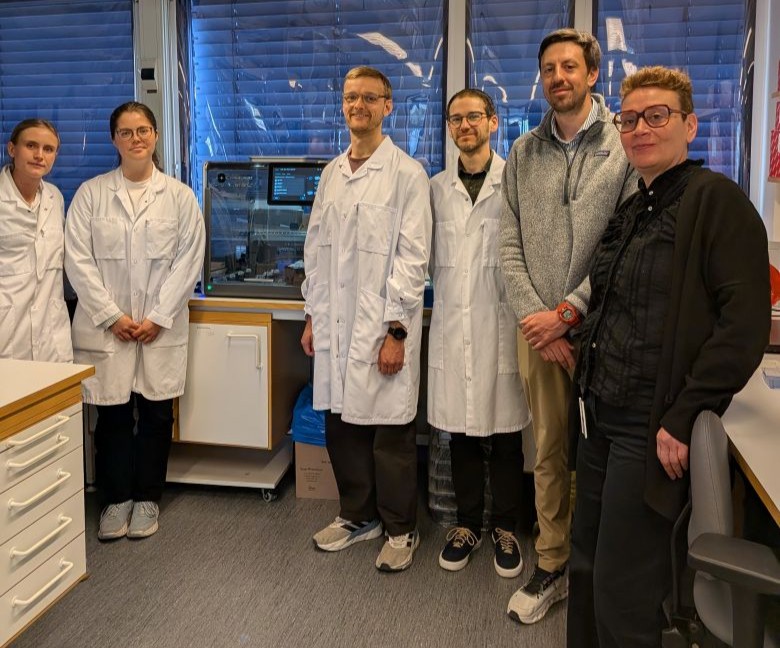
Thanks to the major donation by Mrs. Berta Kamprad’s Cancer Foundation to the L2CancerBridge program, we are thrilled to announce the installation of two Parhelia Spatial Stations — one at the Department of Immunotechnology (LTH) and one at Kristian Pietras’ lab at the Faculty of Medicine.
The Parhelia Spatial Station automates the entire pre-imaging workflow, from dewaxing and antigen retrieval to probe hybridization and high-plex antibody staining, resolving a major bottleneck in sample processing. Crucially, it is platform-agnostic, meaning it can feed into a wide range of downstream spatial platforms — giving our labs maximum flexibility.
For our research in cancer and immuno-oncology, this means faster, more reproducible experiments, the ability to run sophisticated multi-omics panels on precious clinical samples, and — ultimately — a deeper understanding of how immune cells and tumor cells interact within the tumor microenvironment. These are exactly the insights that will help us develop better, more targeted cancer therapies.
Last week, our team received hands-on training on these state-of-the-art instruments, and we are now ready to take our spatial biology workflows to the next level.
This investment will have a lasting impact on our mission to translate cutting-edge research into real benefits for cancer patients.